Loading…
The six things that decide what an Umrah package costs, the cheaper and more expensive times to travel, and how to compare quotes fairly.
By AH Global Consultant TeamPublished 11 November 2026 3 min read
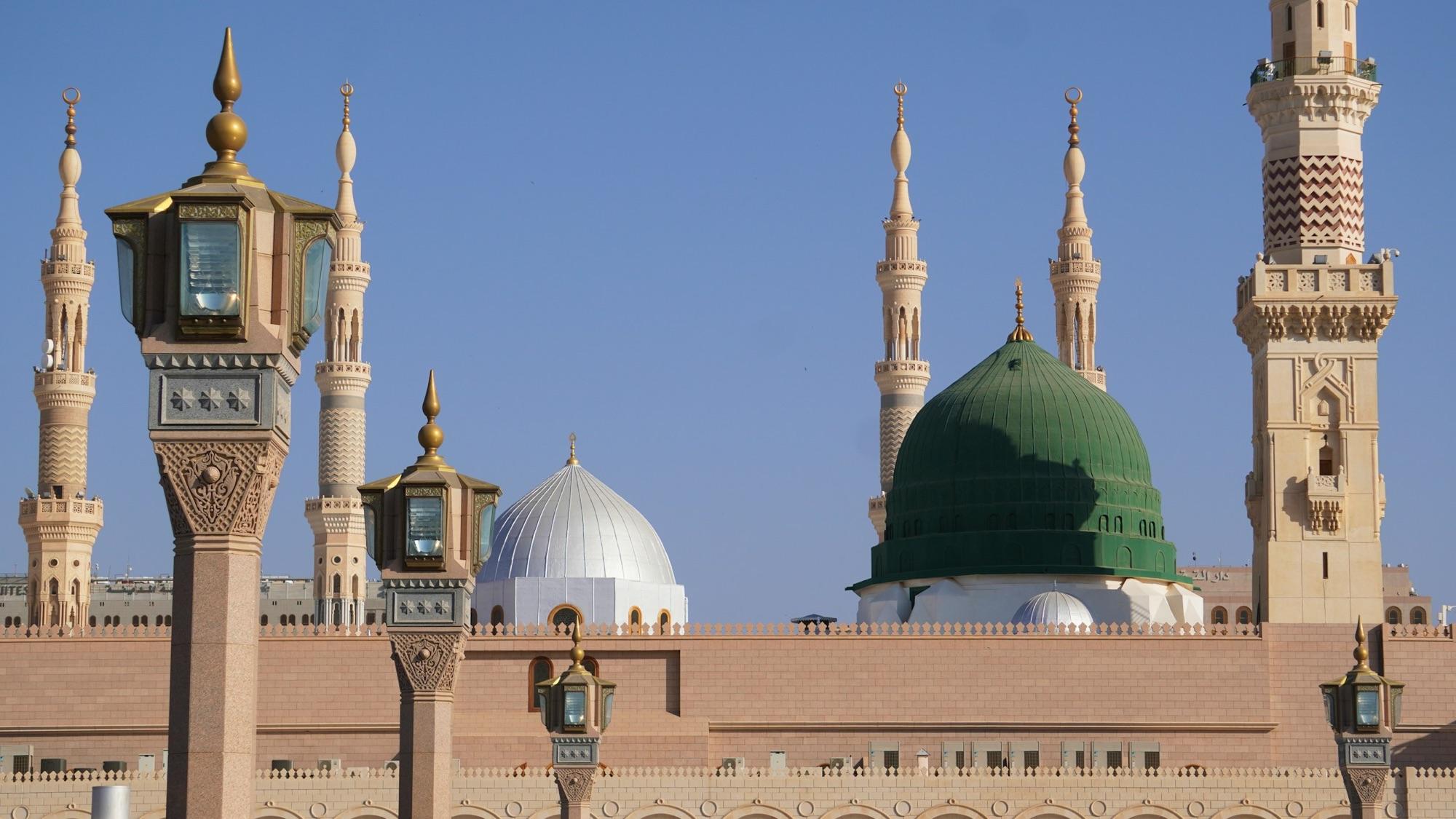
Two Umrah packages for the same number of days can differ in price by a wide margin. The reason is almost never the visa. It is the season, the hotels and the flights. Once you understand what drives the price, you can choose where to spend and where to save.
Season is the biggest factor. Ramadan is the most expensive time of the year, and the last ten nights cost the most. School holidays and December also push prices up. The weeks after Hajj and the quieter months outside holidays usually cost less, and the Haram is less crowded.
Hotels within a short walk of Masjid al-Haram in Makkah and Masjid an-Nabawi in Madinah cost far more than hotels a shuttle ride away. For elderly pilgrims the shorter walk is often worth paying for. Younger travellers can save a lot by staying further out.
Packages are priced per person according to room sharing: four, three or two to a room. A family of four in one room pays much less per person than a couple in a double room at the same hotel.
Direct flights cost more than flights with a stopover. Prices also depend on the city you leave from, the airline and how early you book. Flights fill up quickly for Ramadan and the holidays.
Packages of 10, 15 and 21 days are the most common. A longer stay adds hotel nights, but the flights and visa cost the same, so the price per day falls.
Shared buses between Jeddah, Makkah and Madinah cost less than a private car. The train between Makkah and Madinah, and guided ziyarat tours, can be added.
Ask every agent the same questions, and get the answers in writing:
A lower price with unnamed hotels is not a cheaper package. It is a less certain one.
Tell us your month, the number of travellers and your budget, and we will send options with the hotels, flights and inclusions written out. See our Umrah packages and the Umrah visa requirements.
Tell us about your education, budget and goals. A counsellor will review your profile and suggest realistic options — free of charge.